
Lawn Mowing Tips for a Healthy Lawn
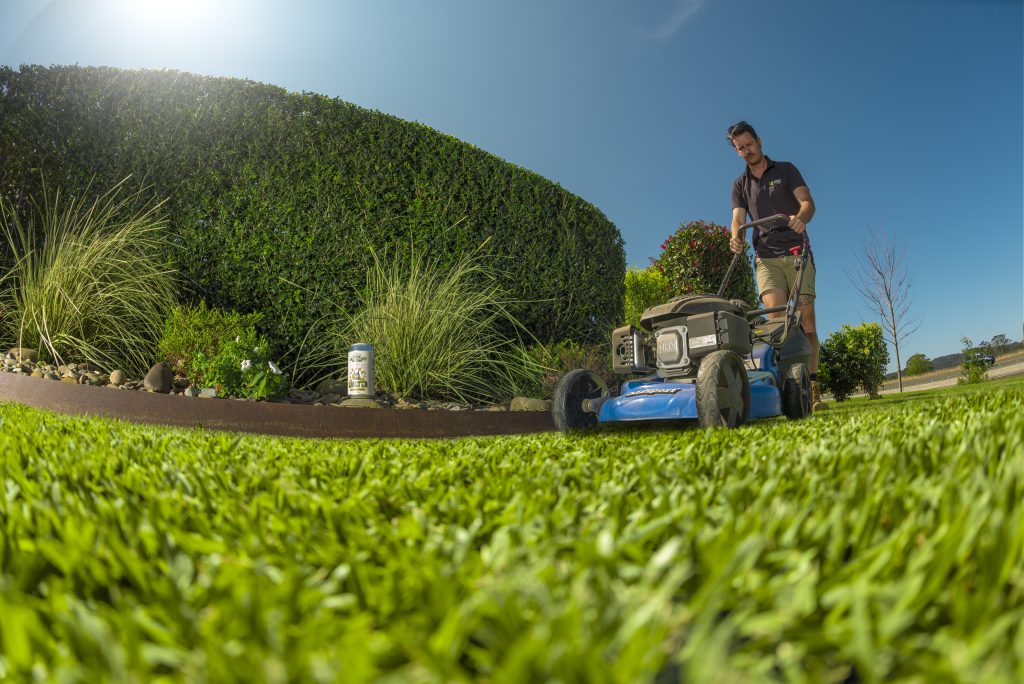
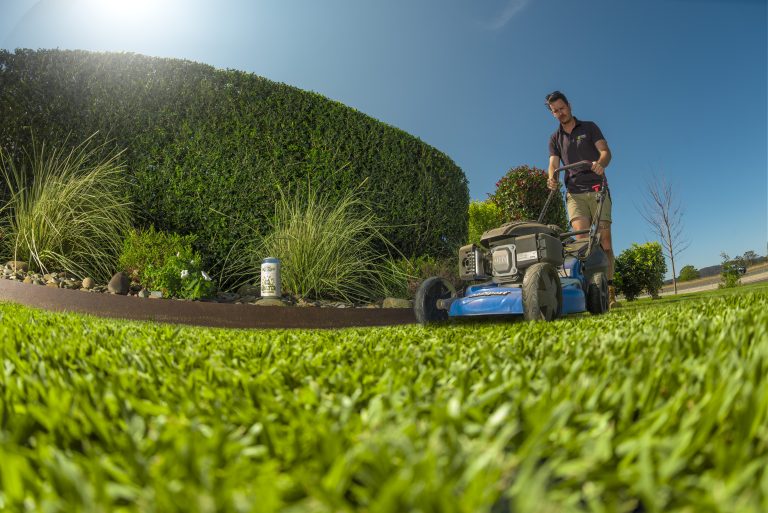
Regular mowing helps encourage dense growth and a healthy lawn. The key is to mow little and often rather than removing too much grass at once.
You can water and fertilise your lawn perfectly, but if mowing is done poorly, it will quickly lose its shape and health. Regular, correct mowing encourages thicker growth, better colour and a more even finish.
You do not need specialist equipment or expert-level knowledge. A few simple habits make a big difference to how your lawn looks and performs over time.
1. Avoid Cutting Too Short
It can be tempting to mow your lawn very short to reduce how often you need to cut it, but this usually does more harm than good. The grass blade produces energy through sunlight, so cutting too low reduces the lawn’s ability to feed itself.
As a general rule, avoid removing more than one third of the grass height in a single mow. Cutting too short can stress the lawn, reduce colour and leave it vulnerable to weeds.
2. Mow Regularly for Best Results
Frequent mowing encourages lateral growth, which helps create a denser, more even lawn. Lawns that are left too long between cuts often look uneven once mowed and can take time to recover.
Regular mowing also helps maintain a consistent finish and reduces the need for aggressive cutting.
3. Mulch or Catch Based on Lawn Condition
If you mow regularly, leaving fine clippings on the lawn can be beneficial. These clippings break down quickly and return nutrients to the soil.
If the lawn has grown long or is wet, collecting clippings may be a better option. Long clippings can smother grass beneath and create uneven patches if left behind.
4. Keep Mower Blades Sharp
Sharp mower blades create a clean cut that places less stress on the lawn. Dull blades tear and shred the grass, leading to frayed tips, poor appearance and increased risk of disease.
Check mower blades regularly and sharpen or replace them as needed, especially during peak growing seasons.
5. Avoid Mowing Wet Grass
Mowing wet grass can leave ruts, cause uneven cutting and clog mower decks. It also increases the risk of slipping, particularly on slopes.
Whenever possible, wait until the lawn is dry before mowing to achieve a cleaner and more even result.
6. Change Mowing Direction
Mowing in the same direction every time encourages grass to lean and grow unevenly. Alternating your mowing direction helps grass blades grow upright and reduces visible wheel tracks.
Switching directions also improves airflow and light penetration across the lawn.
7. Use a Double Cut for Overgrown Lawns
If your lawn has become overgrown, resist the urge to cut it back hard in one pass. Removing too much at once can shock the lawn and slow recovery.
Instead, reduce the height gradually over two or three cuts, allowing a few days between mows.
8. Adjust Height Seasonally
During warmer months, slightly longer grass helps protect roots and retain moisture. In cooler months, mowing a little shorter can improve airflow and reduce disease risk.
Always adjust mowing height gradually rather than making sudden changes.
9. Focus on Consistent Speed
Maintaining a steady pace while mowing helps achieve a smoother, more uniform finish. Sudden changes in speed can result in uneven cutting and visible marks.
Consistency is more important than speed when it comes to lawn appearance.
10. Create Clean Lines for a Finished Look
Straight mowing lines instantly make a lawn look more polished. Choose a fixed point in the distance and mow toward it, then follow your previous line on the return pass.
Clean lines are simple to achieve and add a professional touch without extra effort
Keep It Simple and Consistent
Good mowing habits support healthier turf, better colour and reduced weed pressure. Combined with proper watering and fertilising, regular mowing helps your lawn perform at its best year-round.
If you need advice on mowing heights or care for your specific turf variety, Blue Lake Turf Farm can help guide you.