
Weed Control for Home Lawns
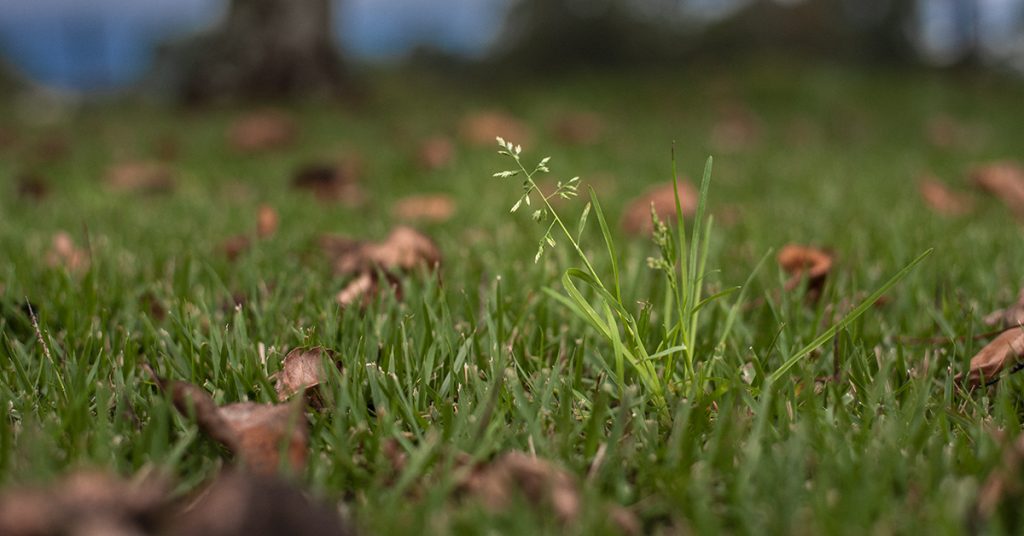
A healthy lawn is the best defence against weeds. Proper mowing, watering and fertilising all help turf outcompete unwanted growth.
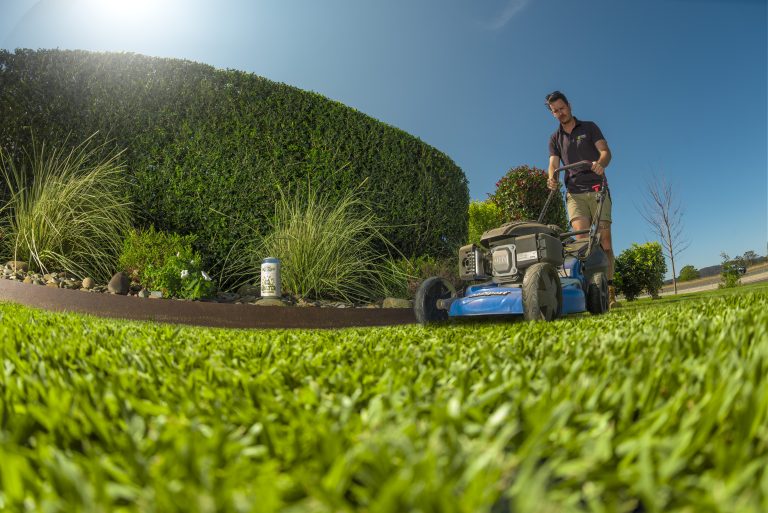
Keeping weeds out of your lawn starts with good mowing and maintenance. A healthy, well-managed lawn naturally suppresses most weeds before they get a foothold. However, even the best lawns can occasionally be affected, especially during seasonal changes or periods of stress.
If weeds have started to appear, there are several effective ways to manage them. The key is choosing the right approach based on the weed type and your turf variety.
Weed Removal Options
Hand Removal
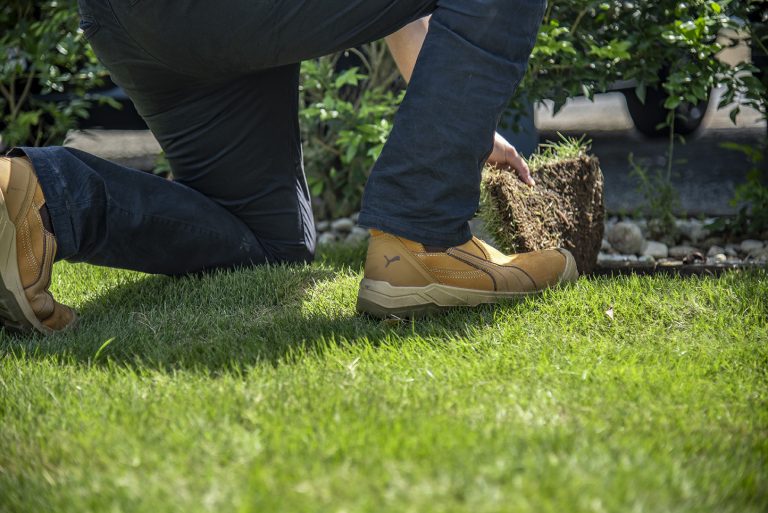
For small or isolated weeds, hand removal can be very effective. The most important thing is removing the entire root system, as many weeds will regrow if roots are left behind.
Using a weeding trowel or a long-handled weed puller allows you to loosen the soil around the roots and remove the weed cleanly. Larger weeds tend to have deeper and stronger root systems, so taking your time is worthwhile.
Hand removal works best when the soil is slightly moist, making roots easier to extract.
Herbicide Treatment Options
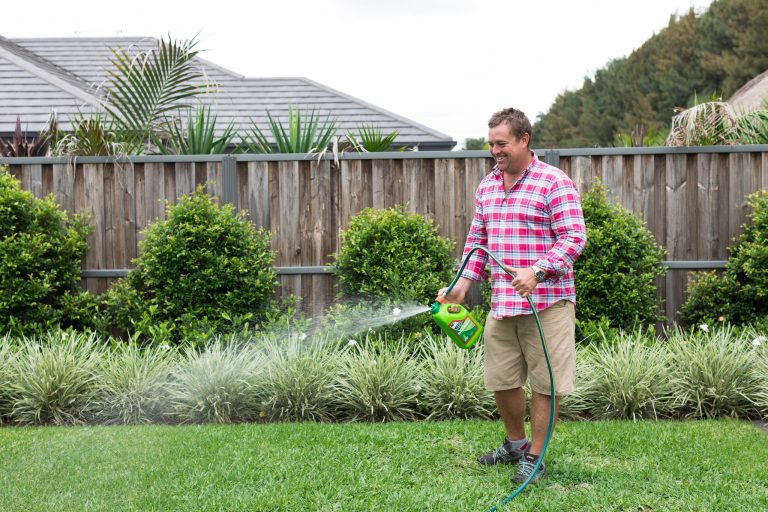
There are a wide range of herbicides available, and choosing the correct one is critical. Herbicides generally fall into two categories:
- Non-selective herbicides – These products kill most plants they contact, including lawn turf. They are best used for spot treatments or areas where turf is not present.
- Selective herbicides – These target specific weed types while leaving your turf largely unaffected.
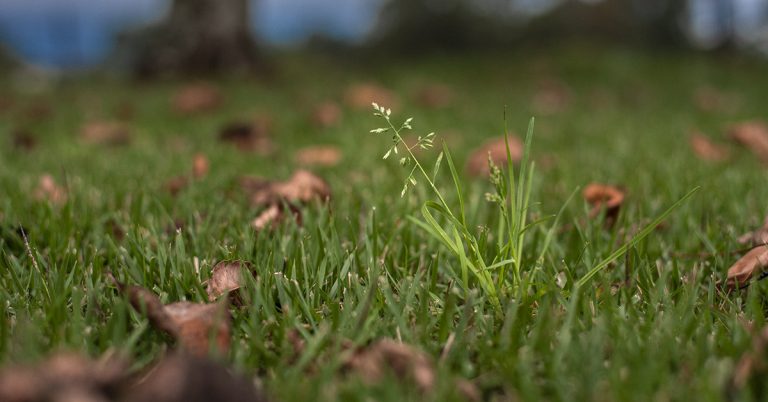
Correct weed identification is essential. We strongly recommend consulting a local nursery or turf professional before applying any herbicide so the weed can be identified accurately and treated effectively.
Post-emergent Broadleaf Herbicides
For common broadleaf weeds such as clover, bindii, cudweed and creeping oxalis, selective broadleaf herbicides are often effective.
Some weeds require very specific treatments, so a general-purpose product may not always be suitable. Always check product labels to confirm compatibility with your turf variety and follow application instructions carefully.
Selective Weed Control Guide
Some weeds require specialised herbicides to control them effectively:
- Nutgrass and Mullumbimby Couch – These weeds respond best to sedge-specific herbicides.
- Paspalum, crabgrass and summer grass – Products containing DSMA may be used, but many turf types such as buffalo and kikuyu only allow spot treatment. Always confirm suitability before application.
Preventing Weeds with Pre-emergent Herbicides
Prevention is often easier than cure. Pre-emergent herbicides work by targeting weed seeds before they germinate. These products create a barrier at soil level that prevents new weeds from establishing.
Pre-emergents are commonly used to help prevent weeds such as:
- Winter grass
- Summer grass
- Crowsfoot
- Crabgrass
Timing is important, as pre-emergents need to be applied before weed seeds begin germinating.
Organic Weed Control Options
If you prefer to avoid chemical herbicides, there are some organic weed control options available. These may help manage certain weeds but are generally non-selective and should be used carefully.
Common organic options include:
- Boiling water
- Vinegar or salt solutions
- Cornmeal gluten
- Nonanoic acid-based products
Because these methods can damage turf as well as weeds, they are best used as targeted spot treatments rather than across the entire lawn.
Important Safety Notes
When using any weed control products:
- Always wear appropriate protective equipment such as gloves and a mask
- Follow label instructions carefully
- Confirm the product is safe for your specific turf variety
If you are unsure, it is best to seek advice before applying any treatment.
Need Help Identifying a Weed?
If you are unsure what weed you are dealing with or how best to treat it, Blue Lake Turf Farm can provide advice based on your turf type and local conditions. Correct identification and treatment make all the difference to long-term lawn health.